
Three different directions
A cover-up adds a new tattoo designed around the existing ink. A rework retains or changes parts of the old image. Laser removal is a clinical process intended to reduce tattoo pigment. Partial fading followed by a cover-up combines two separately assessed steps.
If you want no tattoo in that area, a new design does not meet that goal. If you want a new piece, ask an artist to compare what is possible with the ink as it is and what might change if it were faded first. Neither conversation commits you to treatment.
What to ask a cover-up artist
Show the entire tattoo and explain the largest, darkest replacement you would accept. Ask the artist to locate the old ink within the proposed shading rather than simply approve a subject you like. Request healed examples relevant to your starting point.
A cover-up concept is an image of a possible direction. It does not remove old ink, establish a fixed size rule or show how your own skin will heal. An AI preview is useful for comparing appearance, while an artist must assess whether the drawing can be adapted.
- Which original marks would remain visible?
- How large and dark does this direction need to be?
- Could a rework preserve the parts I still like?
- What changes if I prefer a lighter subject?
What to ask a dermatologist about laser
The American Academy of Dermatology recommends consulting a board-certified dermatologist for tattoo removal. Their assessment considers the ink, placement, your health and history of raised scars. Laser removal requires more than one treatment, with time for the skin to heal between treatments.
Ask about expected improvement, remaining pigment, skin-color or texture changes, the proposed timing and how the total estimate is calculated. A digital concept cannot set the number of treatments or determine whether you are a suitable candidate.
If you are considering fading before a cover-up
Have the artist explain the design goal before any laser decision: which areas conflict with the desired piece, and what appearance would give them more room to work. Share that goal with the dermatologist rather than requesting a preset number of sessions.
Get timing and readiness guidance from the treating professionals. Do not book a tattoo over recently treated skin on the strength of an AI preview. Keep the laser assessment and tattoo design quote separate so you can compare the entire plan.
Compare the full commitment
Compare your preferred final appearance, medical suitability, acceptable new tattoo size, appointments, recovery instructions and total quoted scope. You can also choose to wait, keep the original or gather another professional opinion.
Use InkReborn to explore what a replacement might look like on your photo. Its honest preview simulates old-ink show-through; it does not simulate laser treatment or tell you whether removal is safe. No medical recommendation is generated from a coverage score.
A concept to discuss, not a healed result
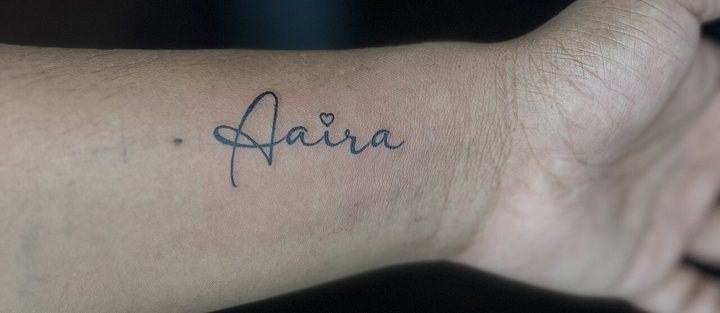
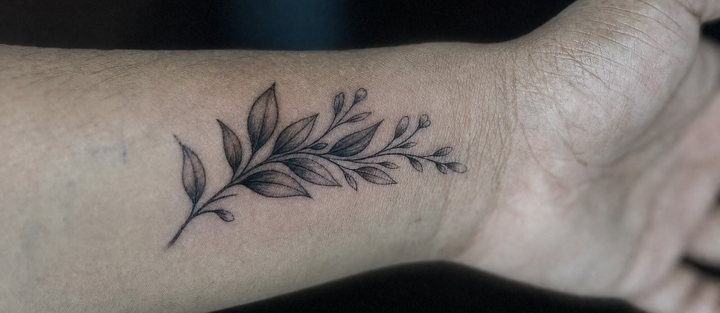
Generic name-tattoo research demonstration. Move the slider to compare the source photo with an AI concept; it does not show completed tattoo work, laser treatment or a medical outcome.
Source photograph: Saishna96 · CC BY-SA 4.0. Cropped research photograph; AI-edited concept and simulated show-through. These adaptations are shared under CC BY-SA 4.0.

See it on your skin first
Upload a photo — get 2 free concepts with an honest show-through check.
Try the cover-up generatorFAQ
Do I always need laser before a cover-up?
No universal rule applies. A cover-up artist can assess design options around the existing ink; a dermatologist must assess any proposed laser treatment separately.
Can AI tell me how many laser sessions I need?
No. The preview does not assess laser response or medical suitability. Ask a dermatologist for an individual assessment and treatment estimate.
Is removal guaranteed to leave clear skin?
Do not assume that outcome. Ask your dermatologist about likely improvement, remaining pigment and possible changes to your skin before deciding on treatment.