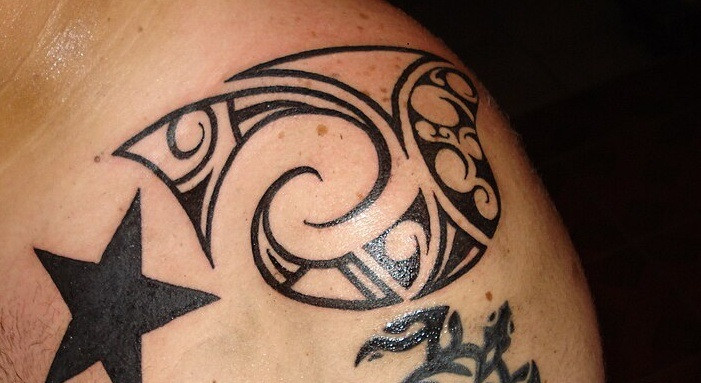
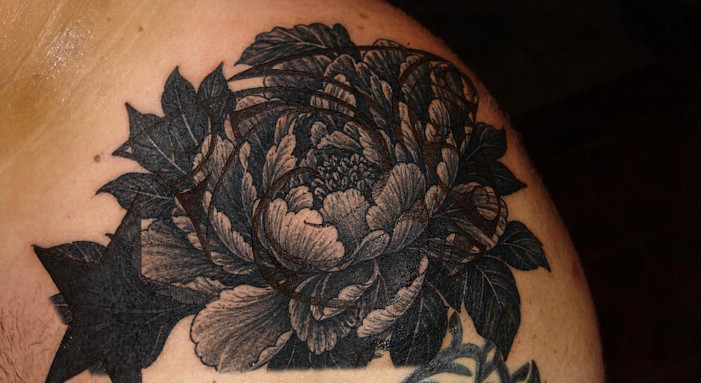
3 rules for reworking a tribal
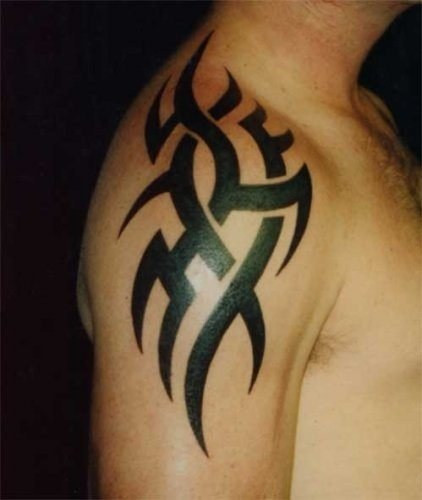
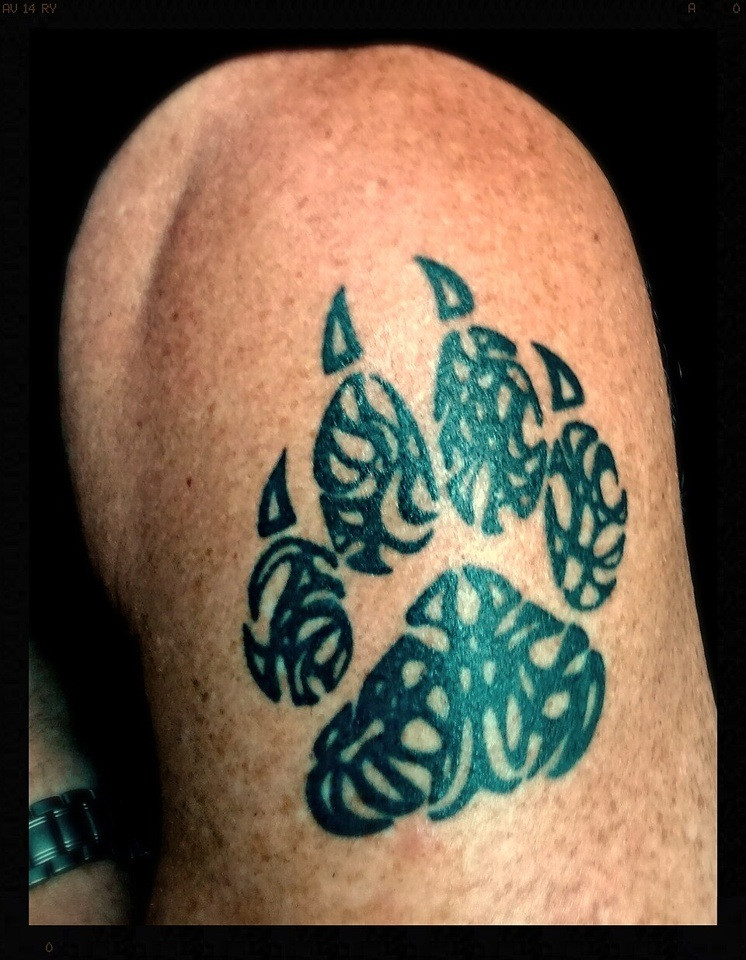
- Map the solid areas first — Trace the black wedges and bands before choosing the focal point. A pale face, petal or animal body placed over them may leave the original shape visible.
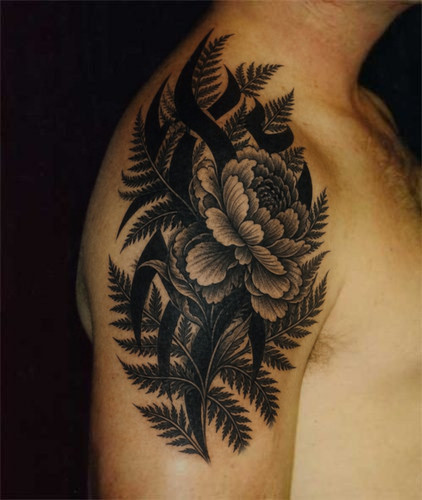
- Use the background deliberately — Dark foliage, waves, clouds or blackwork can connect separated tribal sections into one composition instead of trying to hide every edge with detail.
- Look beyond a close crop — Include surrounding skin and the shoulder or arm in the photo. A design that works in a square crop may stop awkwardly on the body.
Directions to discuss
Animal + dark ground
Keep the expressive face in an available lighter area; place fur, mane or background shadows over the tribal.
Japanese composition
Discuss waves, wind bars and a darker background that follow the old shapes and the arm's curve.
Botanical blackwork
Layer leaves and flower shadows over the black sections, with the open petals placed around them.
What should I ask about cost?
Bring an uncropped photo and the dimensions of the entire tribal to a consultation. Ask whether the quote covers an extended composition, multiple appointments and any later adjustments.
Use the cover-up quote checklist.
What if I want a lighter cover-up?
Ask the artist which parts of your preferred design conflict with solid black. If fading is being considered, get a separate assessment from a dermatologist rather than planning a fixed number of laser sessions from a photo.
AI concepts are planning references. Your artist must assess and adapt the design; the preview is not a promise of coverage or a medical assessment.
FAQ
Can a color design cover a black tribal?
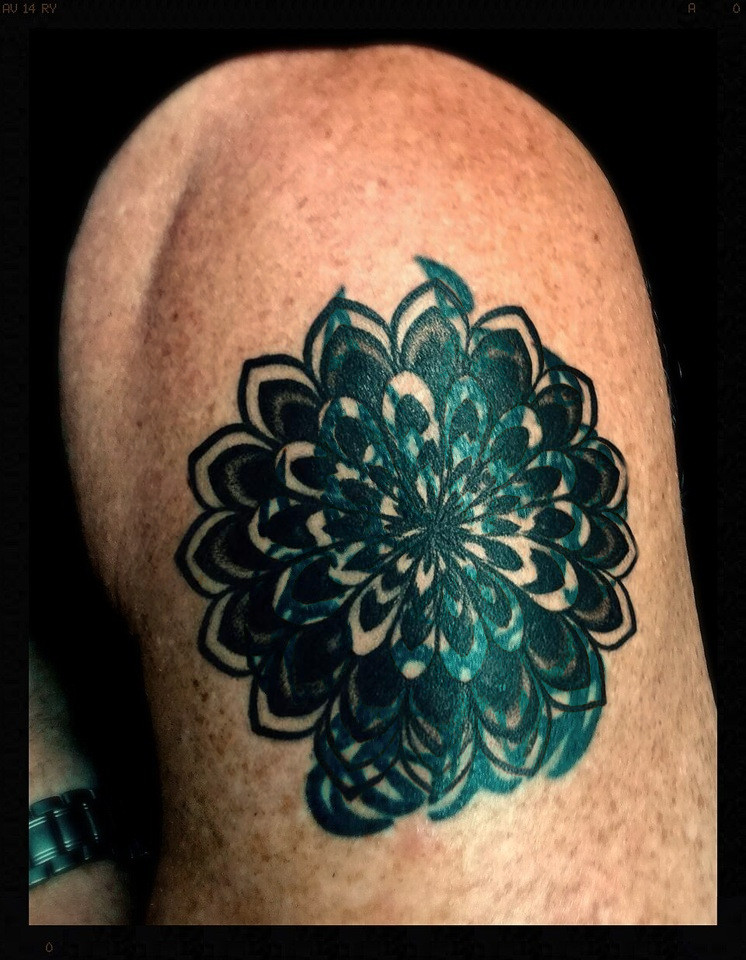
Color alone does not establish coverage. The new design still needs a value structure and placement that account for the old solid black shapes.
Does a tribal cover-up have to become a sleeve?
No fixed size works for every tribal. Ask an artist to compare a contained rework with a larger composition before deciding how much surrounding skin to include.