
Where can the dark ink go?
Find the solid strokes first. Dense petals, wings or backgrounds may offer room for them; a pale highlight in the same position will not erase them.
Good tattoo cover up ideas solve a particular shape, darkness and placement. Use this shortlist to compare how a new subject could absorb old marks, rather than choosing a picture in isolation.
Compare ideas on my tattooFind the solid strokes first. Dense petals, wings or backgrounds may offer room for them; a pale highlight in the same position will not erase them.
A cover-up needs a new composition. Check whether the eye reads a flower, animal or ornament first, and where the old silhouette could interrupt it.
Leave enough room around the original design. A narrow finger, curved shoulder and flat forearm need different proportions even when the subject is the same.
These are real photo inputs and actual AI outputs, selected to illustrate different planning decisions. They are not ranked artist results or proof of healed coverage.
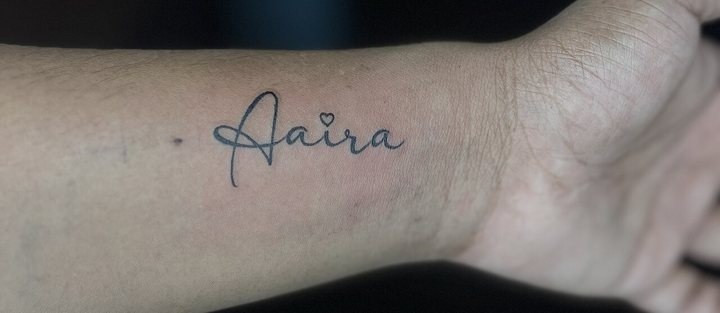
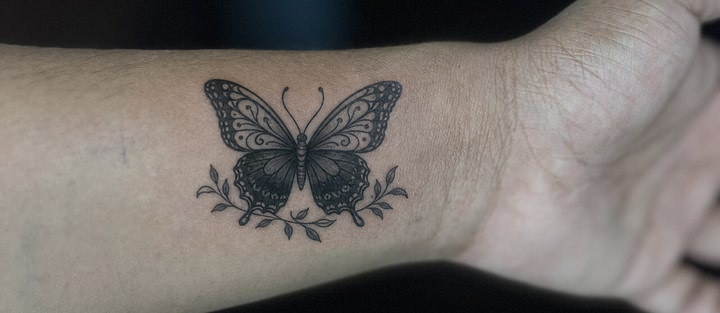
Forearm / wrist · Black and grey butterfly
Dense butterfly wing shading explores how a name tattoo could become a larger forearm design. An artist still needs to assess the old ink.
Actual AI-generated concept on a real photograph. It has not been tattooed or healed; an artist must assess coverage and placement.
Source photo: Saishna96 · Wikimedia Commons · CC BY-SA 4.0. Source photo resized without cropping. The after image adds an AI-generated design over the tattoo area. No endorsement implied.
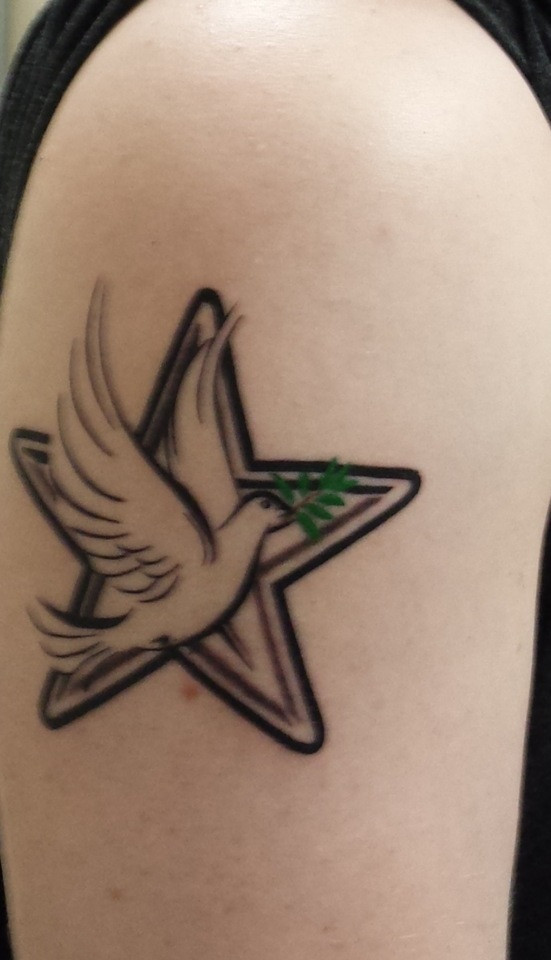
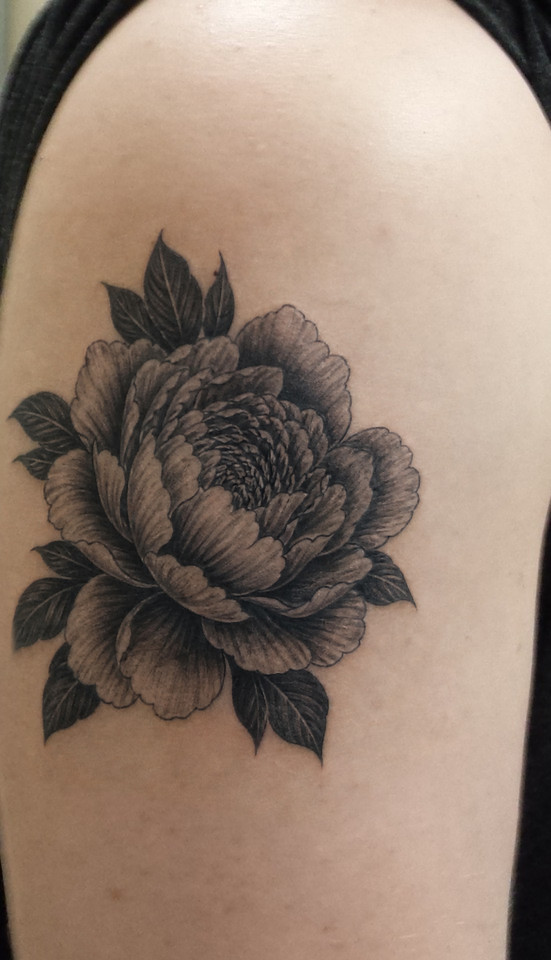
Shoulder / upper arm · Black and grey floral
Overlapping shaded petals explore a larger floral direction over bold upper-arm outlines. The original photo was cropped to the tattoo area.
Actual AI-generated concept on a real photograph. It has not been tattooed or healed; an artist must assess coverage and placement.
Source photo: Steven Crossin · Wikimedia Commons · CC BY-SA 1.0. Source photo cropped to the tattoo area and resized. The after image adds an AI-generated design over that area. No endorsement implied.
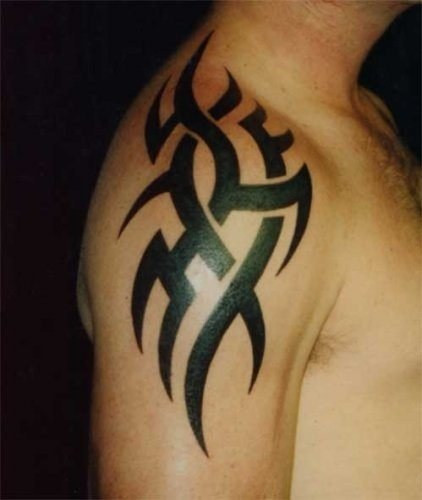
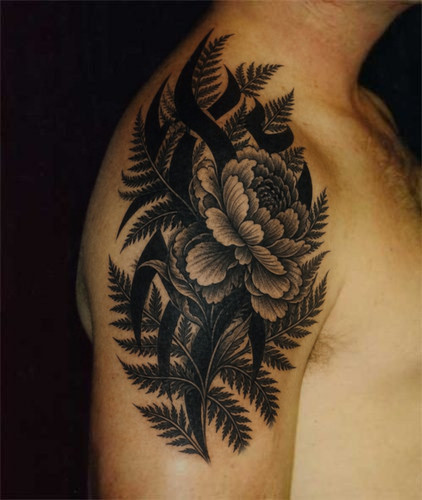
Shoulder / upper arm · Botanical blackwork
Broad leaves and dark petals follow the old tribal footprint. A tattoo artist must decide how much larger and darker an actual cover-up needs to be.
Actual AI-generated concept on a real photograph. It has not been tattooed or healed; an artist must assess coverage and placement.
Source photo: vlowe_ktm · Wikimedia Commons · CC BY 2.0. Source photo resized without cropping. The after image adds an AI-generated design over the tattoo area. No endorsement implied.
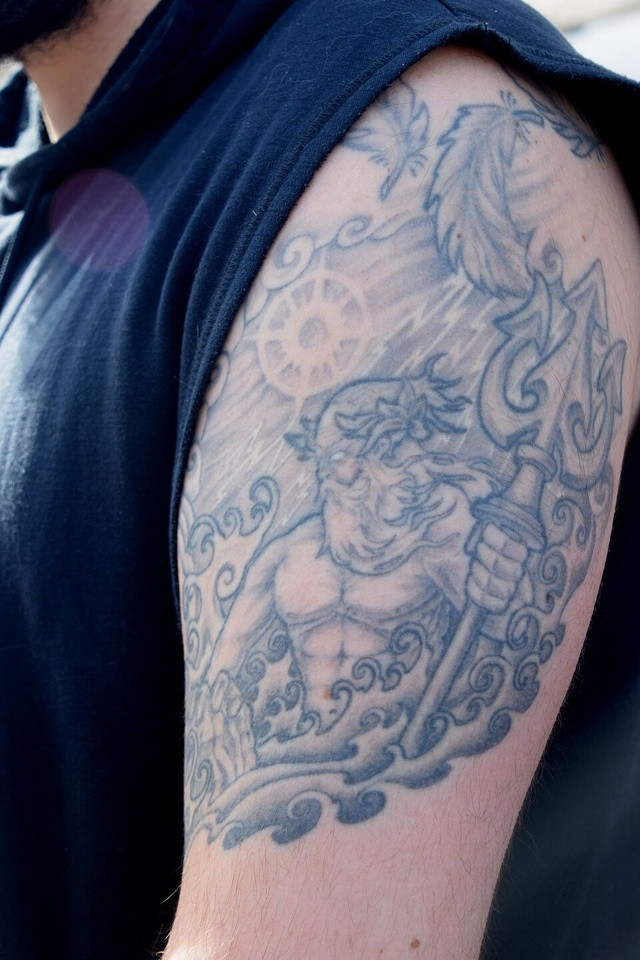
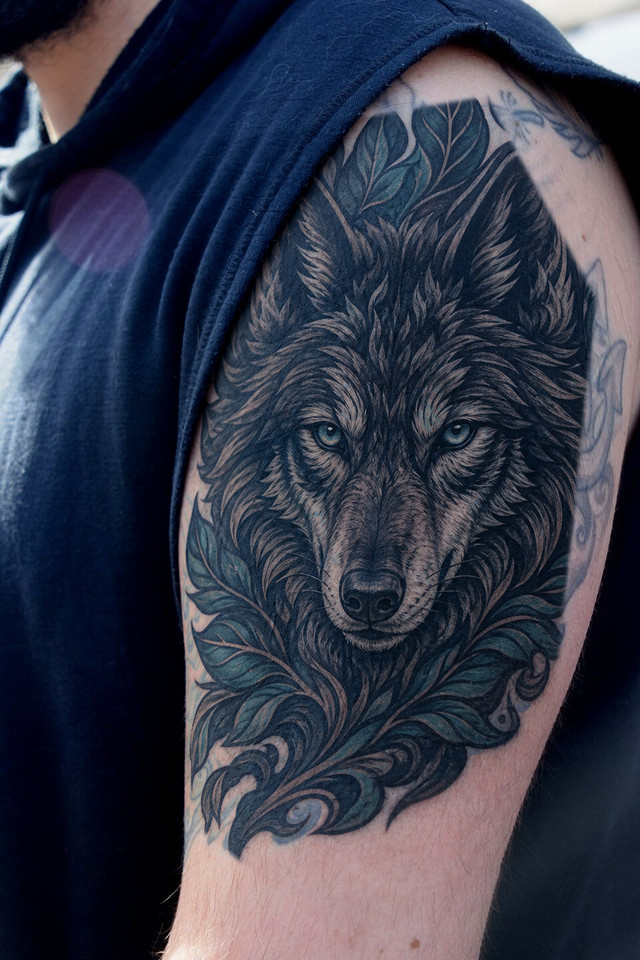
Shoulder / upper arm · Neo-traditional wolf
A large dark wolf concept follows the existing upper-arm composition. Old ink edges and details may remain visible in this conservative digital composite; actual coverage requires an artist assessment.
Actual AI-generated concept on a real photograph. It has not been tattooed or healed; an artist must assess coverage and placement.
Source photo: Tony Alter · Wikimedia Commons · CC BY 2.0. EXIF orientation applied; resized proportionally without cropping; after adds an APIPod AI-generated design only inside a manually defined local mask, using a darken-only composite that retains original ink and mark shadows. Digital simulation only; no endorsement, medical improvement or healed coverage implied.
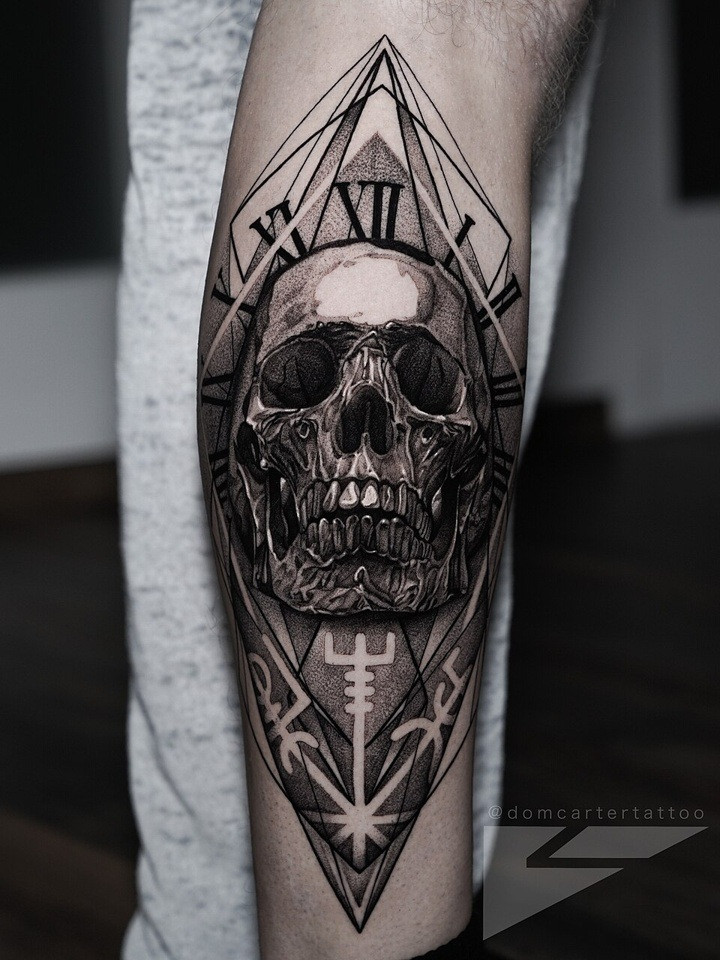
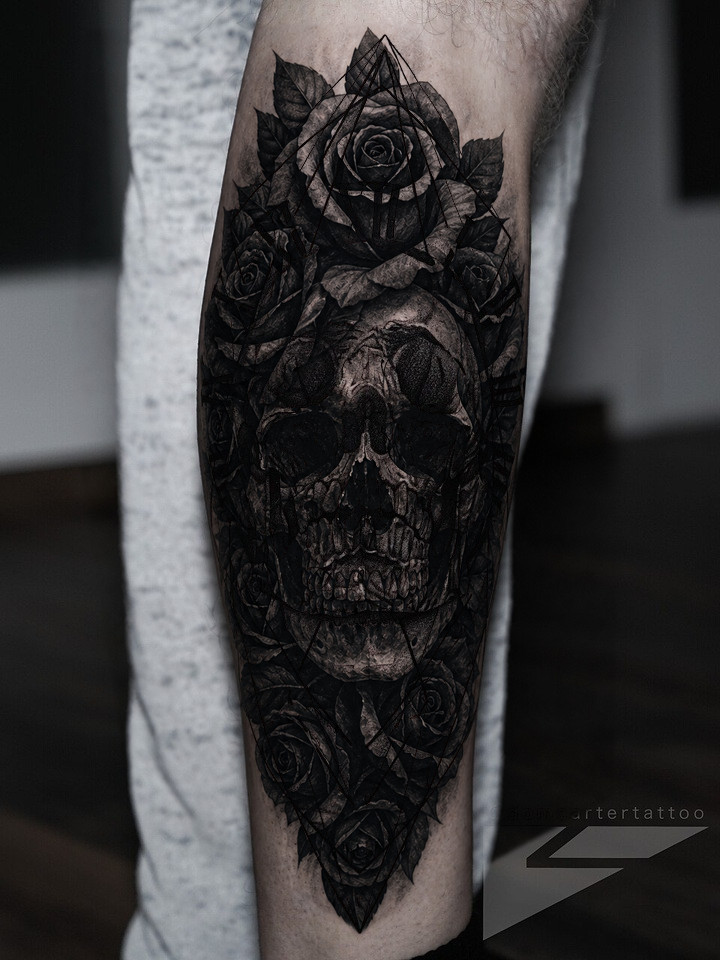
Calf · Black and grey skull
An existing skull to a skull and dark rose. This AI concept explores a darker, larger design over the real existing ink; a tattoo artist must assess size, placement and remaining visibility.
Actual AI-generated concept on a real photograph. It has not been tattooed or healed; an artist must assess coverage and placement.
Source photo: DomCarterTattoo · Wikimedia Commons · CC BY-SA 4.0. EXIF orientation applied; resized proportionally without cropping; after adds an APIPod AI-generated design only inside a manually defined local mask, using a darken-only composite that retains original ink and mark shadows. Digital simulation only; no endorsement, medical improvement or healed coverage implied.
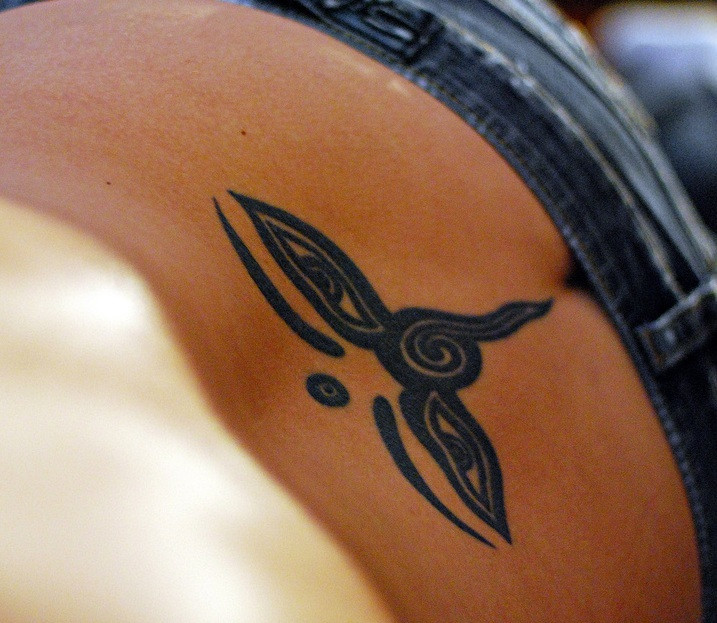
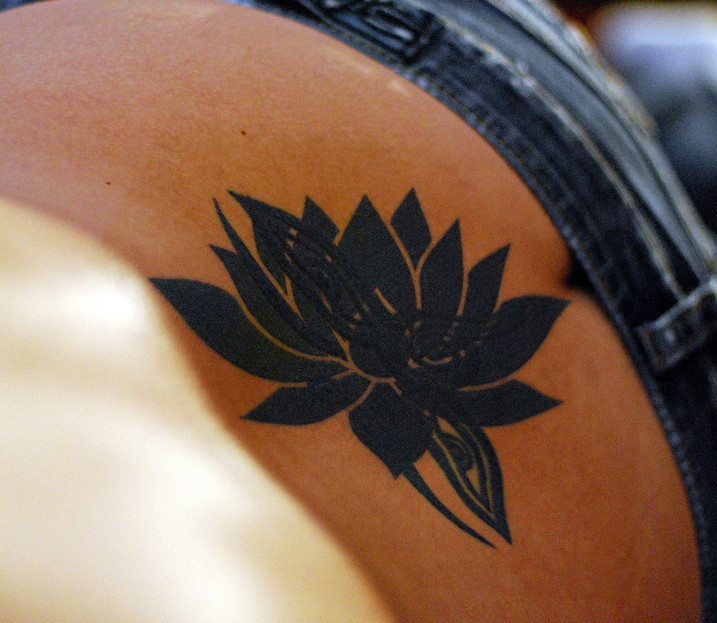
Lower back · Blackwork lotus
Lower-back tribal to a layered lotus. A darker design direction over the photographed existing ink, shown as an AI simulation for an artist consultation. Actual coverage remains unverified. Some of the old tribal tips remain visible in this conservative composite; this is a planning limitation, not evidence of complete coverage.
Actual AI-generated concept on a real photograph. It has not been tattooed or healed; an artist must assess coverage and placement.
Source photo: Lucas Cobb · Wikimedia Commons · CC BY-SA 2.0. EXIF orientation applied; cropped to the visible local body area and resized proportionally; after adds an APIPod AI-generated design only inside a manually defined local mask, using a darken-only composite that retains original ink and mark shadows. Digital simulation only; no endorsement, medical improvement or healed coverage implied.
Bring the original photo, two or three directions you like and the maximum area you would consider. Mark any part of the old tattoo you want to keep. Ask the artist to explain the darkest areas and any limitations before agreeing on a composition.
It gives the artist room to incorporate the old outline, places dark elements where the old ink is darkest and suits the body part. A visually attractive digital concept still needs an in-person feasibility review.
There is no single best style. Some designs need more room or denser shading than the wearer first expects. Compare several compositions around the actual ink rather than assuming that size or a style label guarantees coverage.
Use the concept as a brief and keep the source credit and licence if sharing these examples. Your artist needs to redraw and adapt the artwork to your tattoo, skin and placement.
Start with 2 free, watermarked previews. Your artist makes the final call.
Upload my tattoo — free


