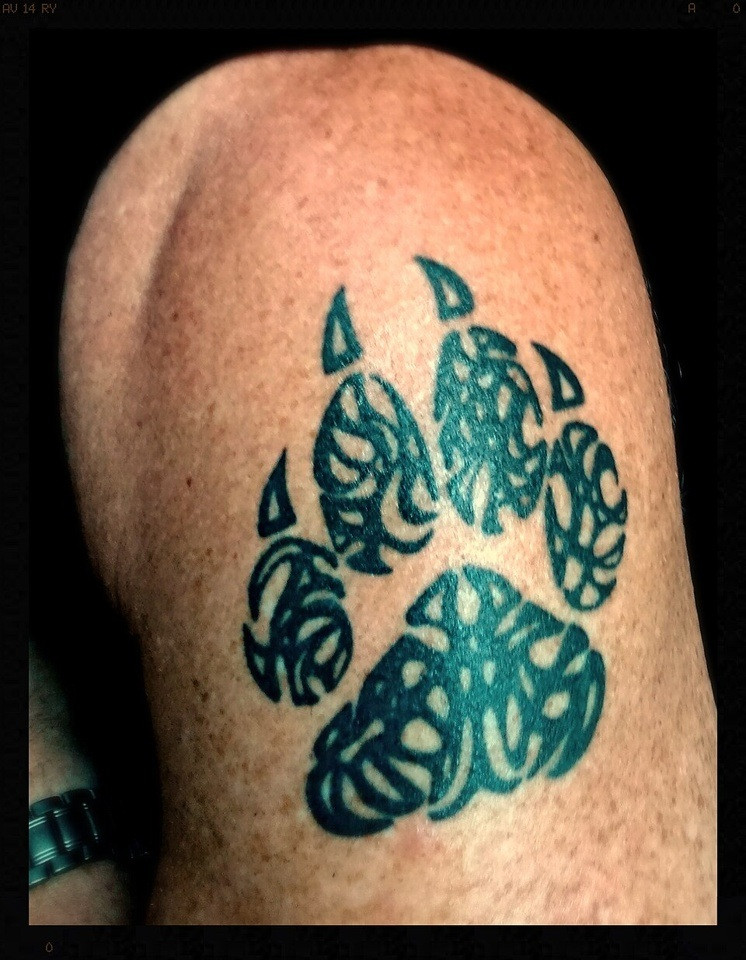
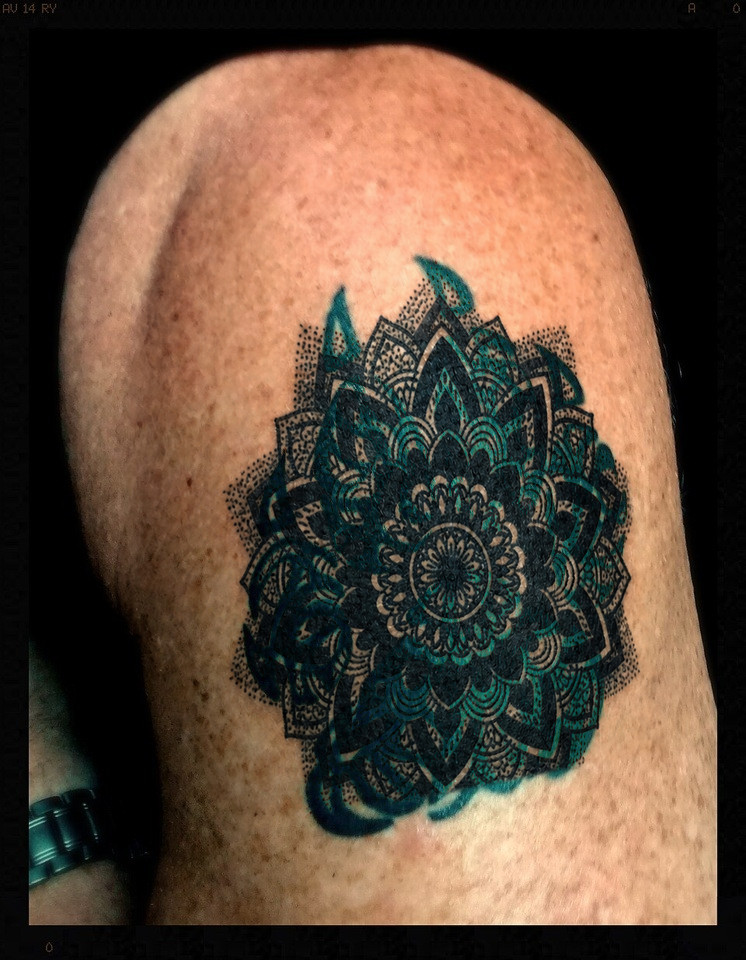
3 rules for planning a mandala cover-up
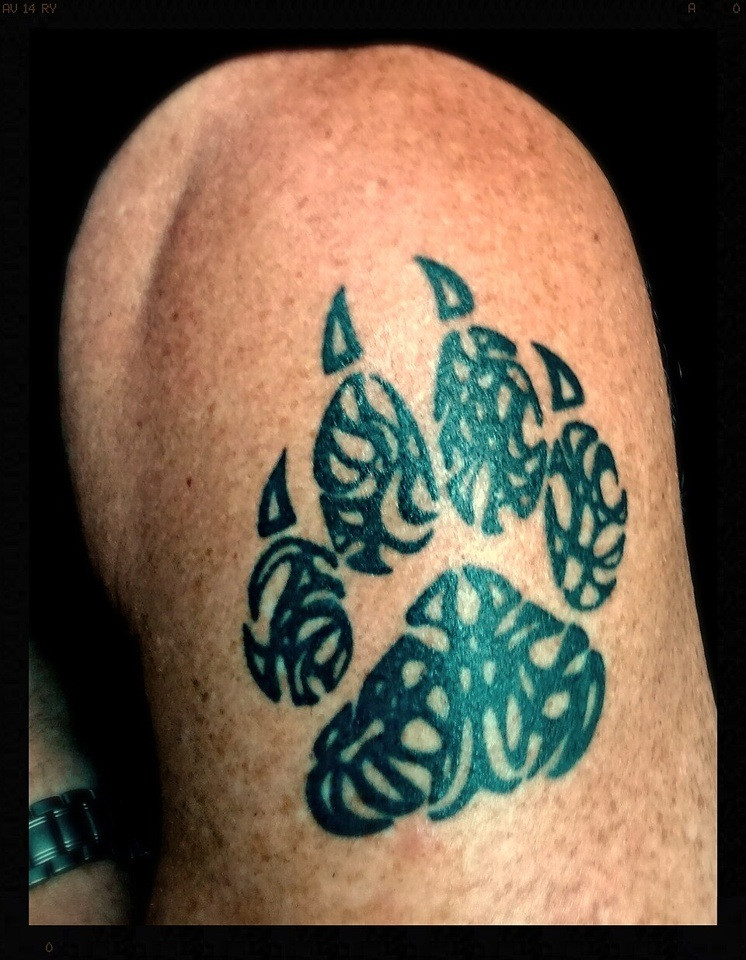
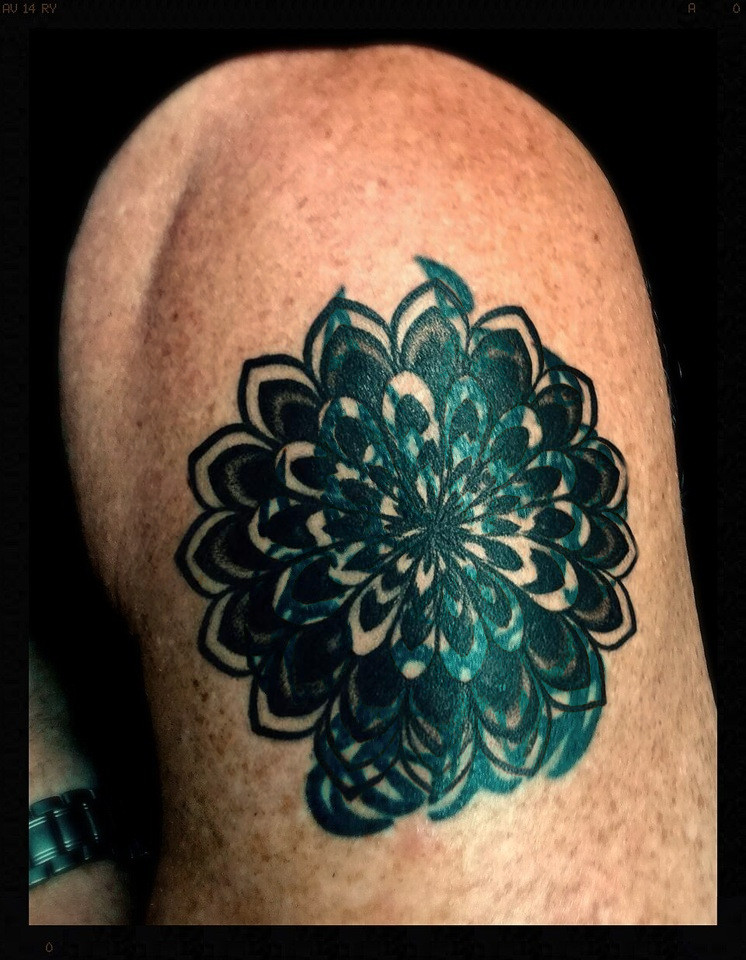
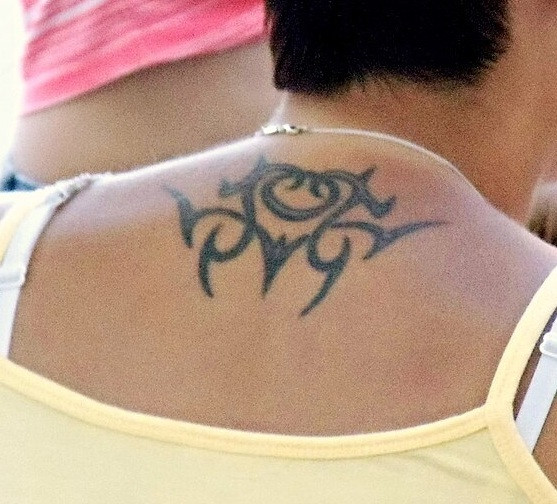
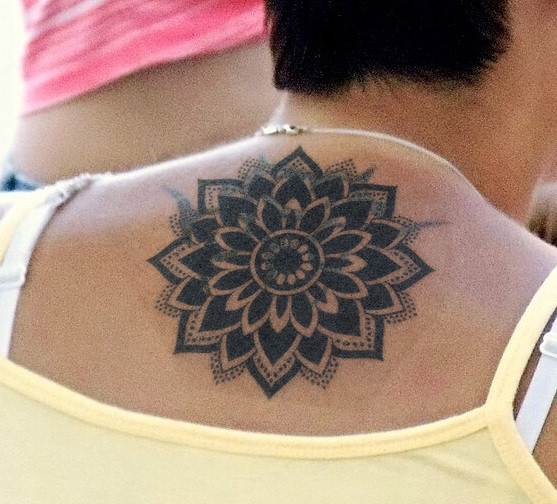
- Map every open petal — Trace the old ink beneath the pattern's negative space. An empty-looking diamond or petal in a concept remains a problem if there is a dark old line underneath it.
- Choose the center for the body — Compare the mandala's center with the body area's shape and the old tattoo's position. Centering it on the old mark can make the overall placement awkward or put repeated light sections over dark ink.
- Allow the internal pattern to adapt — Perfect repetition may conflict with uneven old shading. Ask the artist whether selected filled petals, a shaded outer layer or a less symmetrical ornamental layout would give a clearer plan.
Three ornamental structures to compare
Filled-petal mandala
Explore bolder black sections where the old ink sits, with open petals placed in available clear skin. Check the balance of the full pattern.
Mandala with a shaded surround
Use a larger ornamental frame or darker outer layer for old marks beyond the center. Review its complete boundary rather than a tightly cropped circle.
Partial mandala on a curved area
Compare a fan or off-center segment that follows the shoulder or arm, instead of forcing a complete flat circle into the available space.
What should I ask about cost?
Ask for a quote that includes layout work, filled sections and any wrap around the body. An intricate pattern and a simple circular outline are different scopes even when their outer dimensions match.
Use the cover-up quote checklist.
How much symmetry should I keep?
Tell the artist whether perfect repetition or adapting to the existing ink matters more to you. Review the stencil on your body and ask where the pattern needs to change; a flat radial image cannot establish the final placement around a curved surface.
AI concepts are planning references. Your artist must assess and adapt the design; the preview is not a promise of coverage or a medical assessment.
FAQ
Can fine mandala lines hide a solid tattoo?
A network of fine lines leaves open spaces through which old ink may remain visible. Ask an artist to identify the filled or shaded areas that would do the coverage work.
Does a mandala cover-up need to be a full circle?
No. A partial, offset or larger ornamental composition is another direction to compare. The useful shape depends on the body area, your preferred outline and the old marks it must incorporate.