3 rules for planning floral coverage
- Place shadows before highlights — Map old strokes under leaf clusters, petal folds and background shading. A bright petal over a dark line may leave that line visible.
- Use the whole plant — Leaves, stems and secondary flowers can give the artist options beyond one central bloom. A tightly cropped rose may not reach the old tattoo's edges.
- Check the open spaces — Look between stems and petals as carefully as at the main flower. The old tattoo can remain readable through gaps in an otherwise convincing concept.
Choose a floral structure
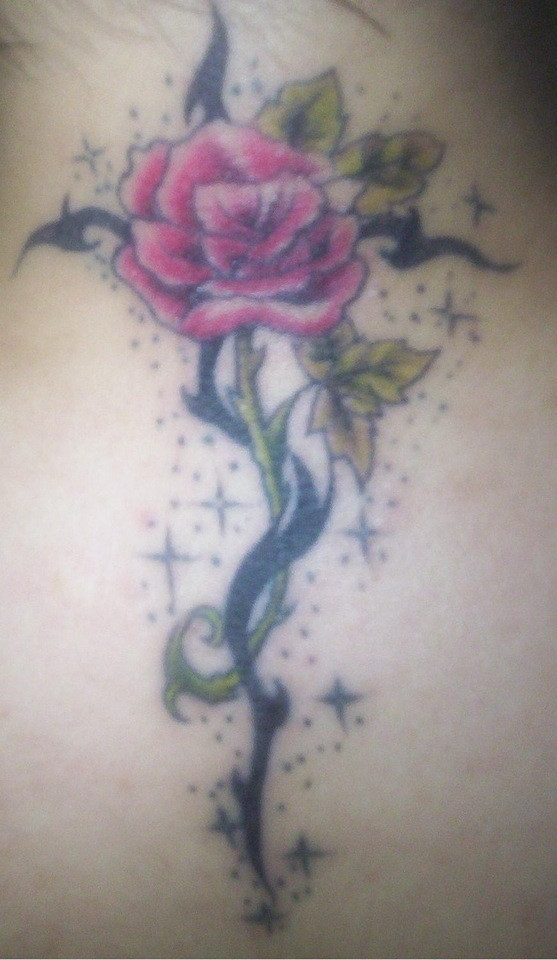
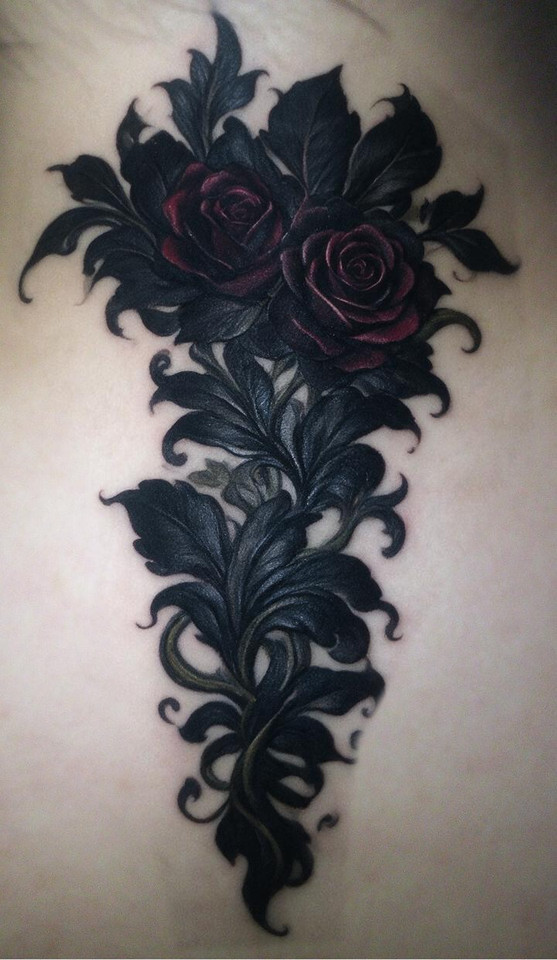
Rose + foliage
Compare a rose with a darker leaf cluster aligned over the densest part of the old tattoo.
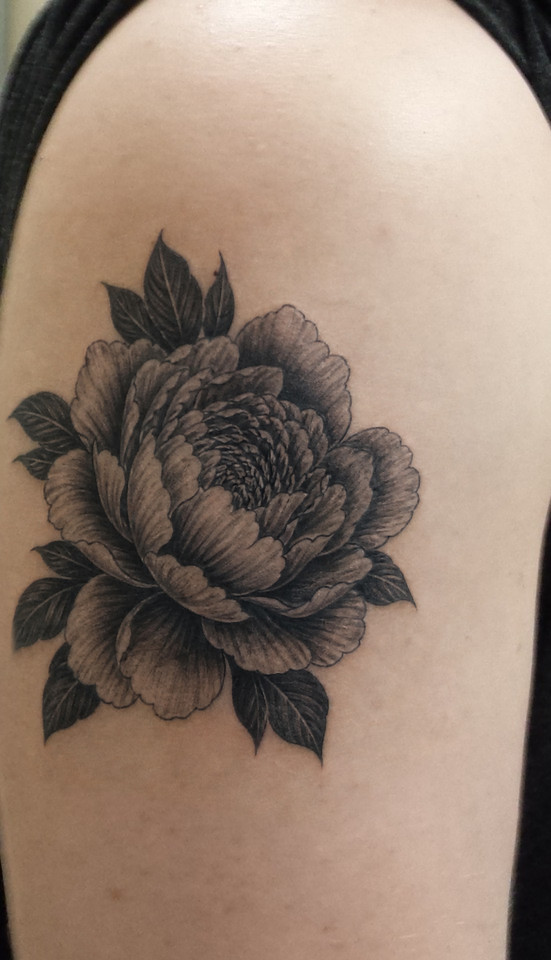
Peony cluster
Layer blooms at different angles to expand the composition without making a single flower carry every coverage area.
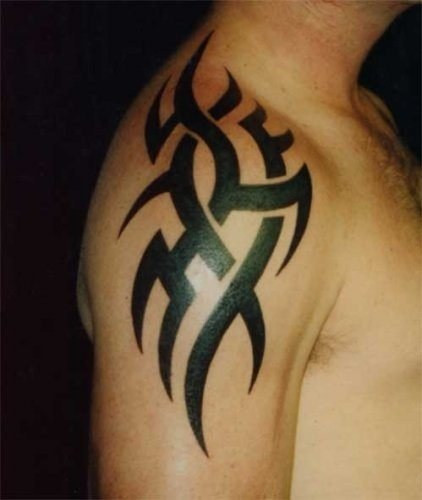
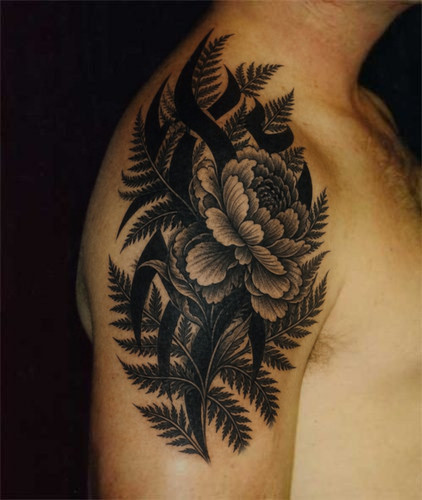
Botanical branch
Use a directional layout for narrow lettering, while checking whether the leaf density is sufficient over each stroke.
What should I ask about cost?
Ask whether your quote includes the leaves and background that make the coverage plan work. Pricing a simple flower separately from the necessary composition can give a misleading comparison.
Use the cover-up quote checklist.
Can I keep the flowers light?
Show an artist which petals you want to remain bright and where the old ink sits underneath them. Compare moving the flower, expanding the foliage or discussing fading rather than relying on a pale AI overlay.
AI concepts are planning references. Your artist must assess and adapt the design; the preview is not a promise of coverage or a medical assessment.
FAQ
Can a rose cover an old name?
It may be a useful direction if the rose and leaves place darker values over the lettering. The motif alone cannot establish coverage; its size and positioning matter.
Is watercolor a good floral cover-up?
A translucent-looking concept can leave old ink visible. Ask an artist to show the dark structure supporting the coverage rather than judging the design by color alone.