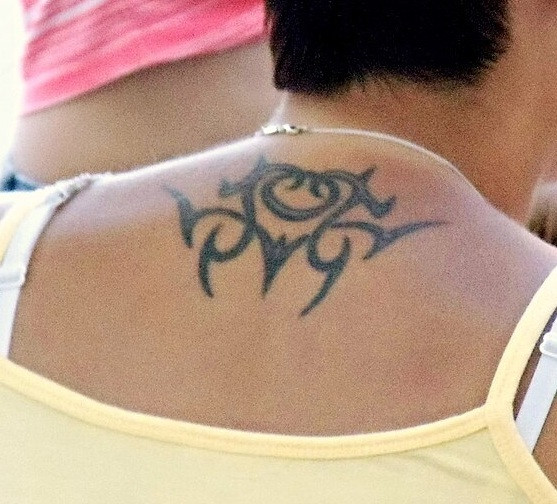
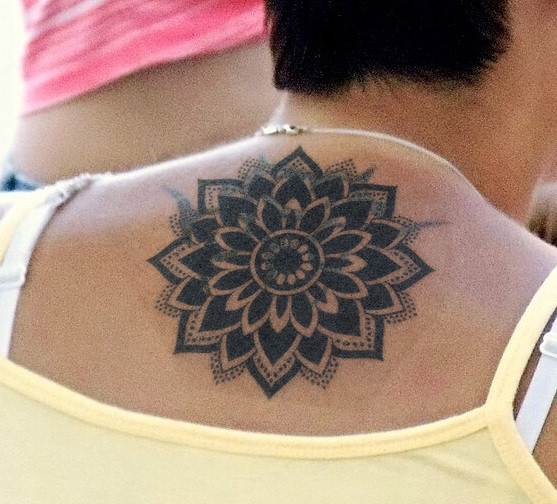
3 checks for a neck cover-up
- Use a neutral head position — Photograph the tattoo without tilting or stretching your neck, then bring side and back views to the artist. An elongated pose can make the available area look larger.
- Mark your visibility limits — Decide how close you want the new outline to the jaw, ear, hairline and collar. Compare the design with your usual hairstyle and clothing in mind.
- Plan around the curve — A motif that wraps toward the back of the neck needs more than one view. Check whether its focal point still reads from the angle at which you want it seen.
Directions for different neck placements
Nape botanical cluster
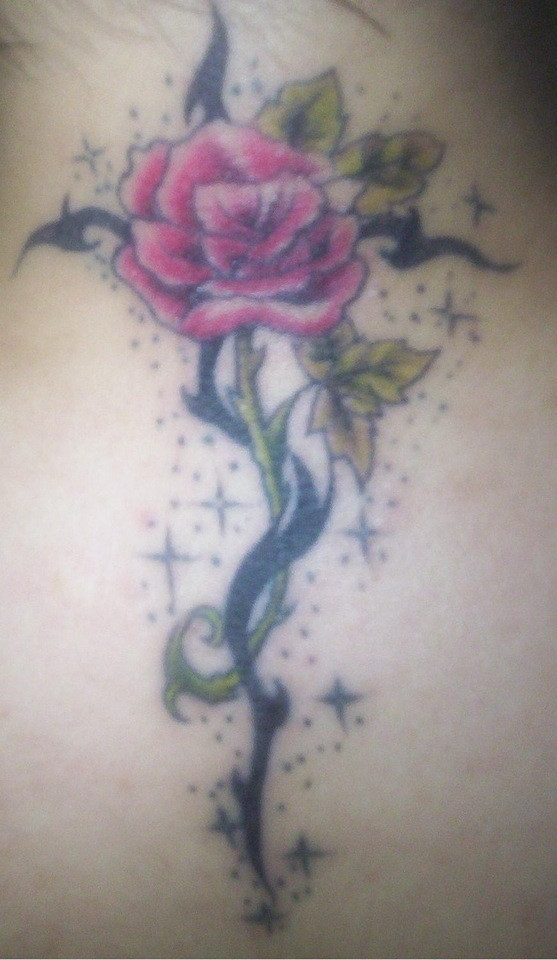
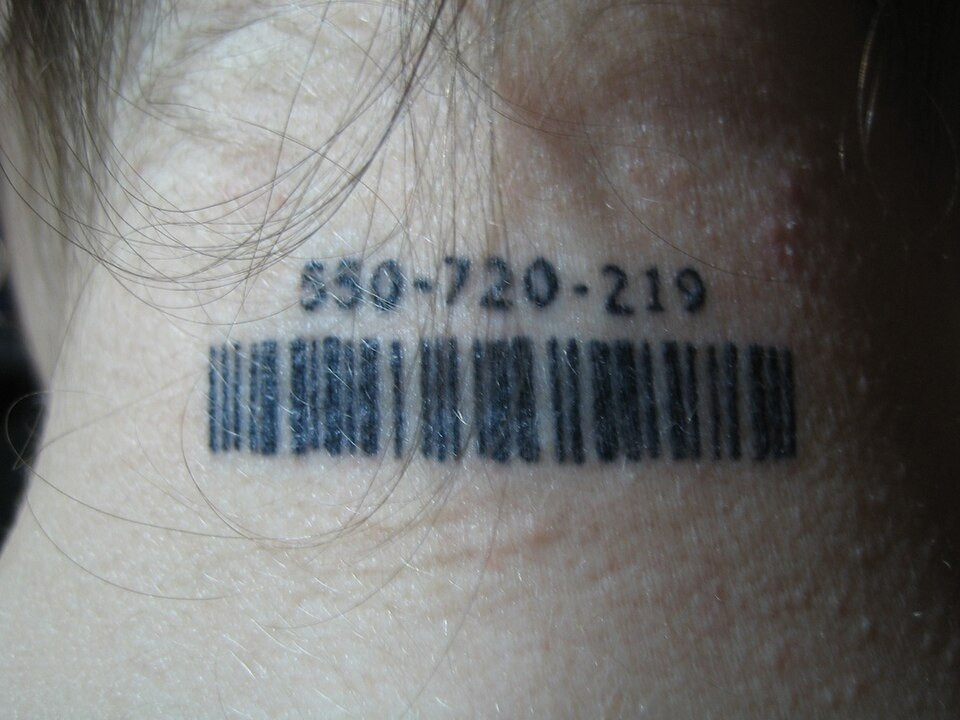
Compare a contained flower and darker leaves beneath the hairline, accounting for any old lettering at the outer edges.
Side-neck diagonal
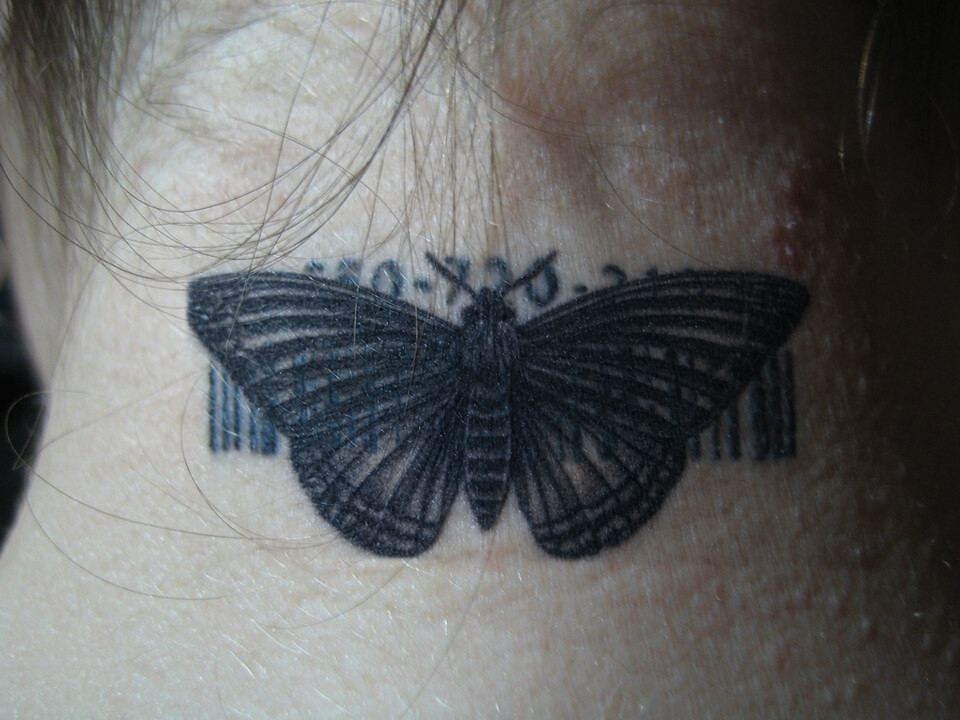
Try a leaf, feather or other directional motif that uses the old mark's angle while keeping the finished outline within your chosen boundary.
Shoulder-connected composition
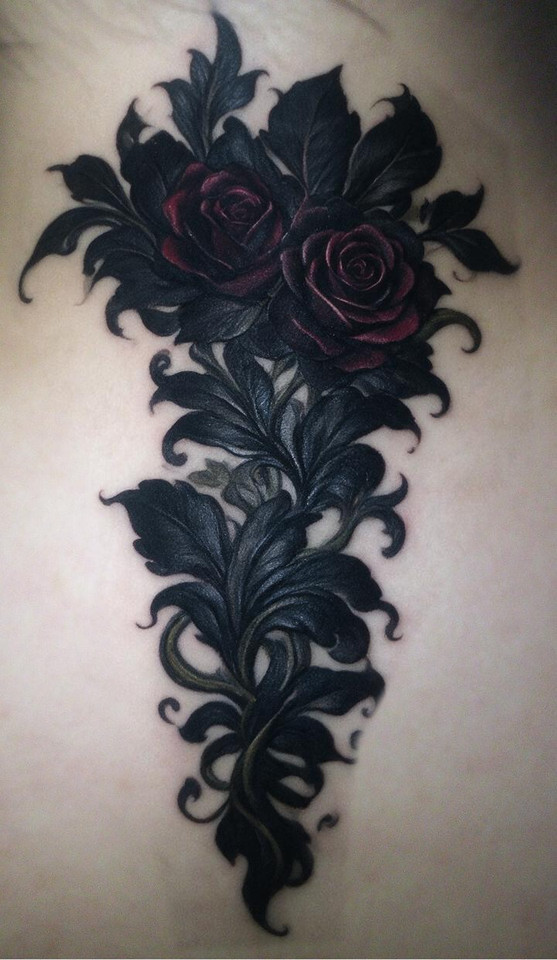
If you are comfortable expanding below the neck, compare a lower focal point with darker connecting shapes over the old neck tattoo.
What should I ask about cost?
Ask whether the artist takes neck cover-up work and request a quote for the actual boundary, including any extension below the collar. A small visible mark does not establish a simple appointment.
Use the cover-up quote checklist.
What if the design cannot stay within my limit?
Ask the artist to explain which old edges conflict with your preferred outline. Compare a partial rework, another subject or a separate removal consultation before agreeing to a larger and more visible tattoo.
AI concepts are planning references. Your artist must assess and adapt the design; the preview is not a promise of coverage or a medical assessment.
FAQ
Can a small neck tattoo stay small after a cover-up?
Possibly, but the old outline and darkness constrain the options. Set your maximum visible area and ask the artist what can be achieved within it.
Can I judge a neck design from one selfie?
A single angle can hide the wrap and distort the proportions. Use it for an initial concept, then review neutral side and back views with the artist.